If you’ve ever wondered how some websites effortlessly land on the first page of Google, the answer lies in search engine optimization, or simply SEO. By optimizing your website, you can enhance its visibility, attract more visitors, and ultimately drive sales. In this guide, we’ll break down what SEO is, why it matters, and how you can leverage it to boost your online presence.
What is SEO?
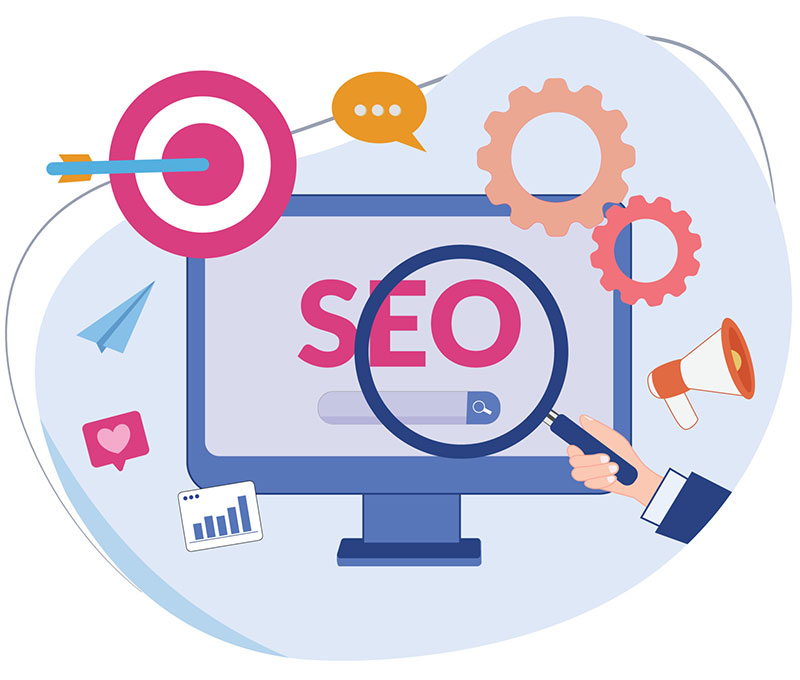
SEO refers to the process of optimizing a website so that Google, Yahoo, and other search engines will rank it on their results pages.
SEO is the process of affecting a website or a web page’s visibility in a search engine’s unpaid results. It is often referred to as natural, organic, or earned results. SEO is composed of On-page and Off-page optimization.
An organic strategy, SEO enables online users to search for brands, products, and services offered by websites (or online businesses) and eventually buy from them.
SEO is not a tool, software, or website. It is an industry, a practice, a strategy, and an ongoing process. SEO is about:

Keywords

Links

Relevance

Reputation

User experience

User satisfaction
The goal of SEO services is to make a web page or website relevant to a query and trusted enough by the search engine to rank it on the results list.
Evidently, SEO traffic is very valuable. Perhaps this is why other SEO firms – Optimind excluded – choose to go black hat rather than play by the rules and guidelines set by Google, Bing, and Yahoo.
Types of SEO
SEO isn’t a one-size-fits-all strategy; it encompasses various techniques designed to improve your website’s visibility in search engine results. Depending on your goals, industry, and target audience, different types of SEO can be implemented. Below, we’ll break down the key types of optimization and how each one plays a crucial role in driving organic traffic to your site.
1) Organic SEO
Organic SEO focuses on getting natural listings in search engine results, meaning your website appears without paying for ads. Organic traffic is free, making it a valuable long-term strategy. To achieve this, SEO professionals use methods like keyword research, link building, and content optimization. These techniques help ensure your website ranks higher for relevant terms, attracting more qualified visitors actively searching for your products or services.
Example: Ranking for “best running shoes” on the first page of Google through well-researched content and quality backlinks.

2) White hat SEO
White-hat SEO focuses on ethical, long-term strategies that prioritize the human audience rather than trying to game the search engine algorithms. These methods fully comply with search engine guidelines, ensuring your site remains in good standing. Also known as ethical SEO, white-hat practices are essentially the same as organic SEO techniques, including high-quality content creation, proper keyword optimization, and the acquisition of natural backlinks. These strategies deliver sustainable results over time, helping build trust with both search engines and users.
Example: Publishing original, informative blog posts that naturally attract backlinks and engage users, while adhering to search engine rules.

3) Black hat SEO
Black-hat SEO employs unethical strategies designed to manipulate search engine rankings, often at the expense of the user experience. These methods prioritize search engines over users and aim to achieve quick, temporary results. Techniques such as keyword stuffing, cloaking, and spamdexing (aggressive manipulation of search engine algorithms) are common examples of black-hat SEO. While these tactics might yield short-term gains, they are risky and can result in severe penalties, including de-indexing by search engines like Google if caught.
Example: Using hidden text to stuff keywords on a webpage to artificially boost rankings, only to have the site penalized or removed from search results.

4) Local SEO
Local SEO focuses on optimizing your website to appear in location-based searches, helping businesses show up in local search results and Google Maps. This is essential for businesses that serve specific geographic areas.
Example: A pizza shop optimizing its Google My Business listing and local citations to rank for “best pizza near me.”

5) Technical SEO
Technical SEO ensures your website’s infrastructure is search-engine-friendly, improving crawlability, indexability, and overall performance. It involves fixing technical issues that can affect your site’s visibility.
Example: Improving site speed or fixing broken links to make it easier for search engines like Google to crawl and index your pages.

6) E-commerce SEO
E-commerce SEO focuses on optimizing online stores to improve visibility and drive sales. This includes optimizing product pages, enhancing user experience, and gathering customer reviews to increase trust and conversions.
Example: An online clothing store improving its product descriptions, images, and customer reviews to rank for terms like “best summer dresses.”

7) Mobile SEO
Mobile SEO ensures your website is fully optimized for mobile users, including fast loading speeds and a user-friendly design that adapts to different screen sizes. Since mobile-first indexing is the norm, it’s crucial for ranking well.
Example: A restaurant’s mobile-friendly website loads quickly and is easy to navigate, helping it rank higher for local searches like “restaurants near me.”
8) On-Page SEO
On-page SEO refers to optimizing individual web pages by enhancing content quality, strategically placing keywords, and ensuring HTML tags are used properly to improve search engine rankings.
Example: Placing the keyword “SEO tips” in the page title, headers, and body content to boost visibility for that search term.
9) Off-Page SEO
Off-page SEO is about building your website’s authority and reputation through external factors like backlinks, social media mentions, and brand credibility. These signals tell search engines that your content is trustworthy.
Example: Earning backlinks from reputable websites that link to your blog post helps to improve its ranking and credibility.
Do you want to start an optimization campaign but aren’t quite sure what value it could bring to your digital strategy? Before we proceed, let us congratulate you on taking the initiative to grow your online business—kudos!
Moving forward, you must first understand what an SEO campaign is and how it is done these days.
Let’s continue.
Benefits of SEO
Investing in SEO offers a wide range of long-term benefits for your website and business. By improving your visibility on search engines like Google, you can attract more organic traffic, build brand credibility, and boost sales. Here are the key benefits of SEO:

Increased organic traffic
SEO helps your website rank higher in search results, driving more organic (free) traffic to your site. The higher you rank, the more likely users are to click on your website, leading to more visitors.
Cost-effective marketing
Compared to paid advertising, SEO offers a more cost-effective way to generate leads. Once you achieve higher rankings, the ongoing maintenance costs are minimal, and organic traffic continues to flow without the need for constant ad investment.

Builds credibility and trust
Websites that rank higher in search results are often seen as more credible by users. By focusing on quality content, relevant keywords, and building trust through backlinks, SEO helps establish your site as an authority in your industry.

Improves user experience
SEO isn’t just about ranking; it’s also about making your website more user-friendly. Technical SEO improvements, fast load times, and easy navigation all contribute to a better overall user experience, which can lead to increased engagement and conversions.
Better ROI (Return on Investment)
SEO delivers a high ROI because it targets users who are actively searching for products or services like yours. By optimizing your site for the right keywords, you attract qualified leads who are more likely to convert into customers.

Long-term results
Unlike paid ads, which stop working once you stop paying, SEO results are long-lasting. A well-optimized website can maintain its rankings for months or even years, bringing in steady traffic without additional costs.

Competitive advantage
Effective SEO strategies can give you an edge over competitors, especially if they are neglecting their SEO. By investing in SEO, you position your business to outrank competitors in search results, increasing your market share.
Improved local visibility
For businesses serving specific geographic areas, local SEO ensures you appear in location-based searches and local listings, such as Google Maps. This makes it easier for nearby customers to find and engage with your business.
Now that you’ve seen the benefits of SEO, it’s important to understand how SEO is evolving. With AI and changing search behaviors, the way people search is shifting. Let’s dive into how these changes are shaping SEO and what it means for your strategy.
How AI and changing search behaviors are shaping SEO
SEO is constantly evolving, and with the rise of artificial intelligence (AI), search behavior is changing in ways that impact how we optimize websites. One of the most significant shifts in recent years is the rise of voice search and the way people interact with search engines.
The rise of voice search
With the growing popularity of voice-activated devices such as smartphones, smart speakers (e.g., Alexa and Google Assistant), and virtual assistants, voice search is rapidly transforming how people search online. Instead of typing keywords into a search engine, users now speak naturally and conversationally. For example, rather than typing “best pizza near me,” a voice search would sound more like, “Where’s the best pizza around here?”
This shift toward natural, conversational queries is forcing businesses to rethink their SEO strategies. Here’s how it impacts SEO:
- Long-tail keywords: With voice search, users tend to ask longer, more specific questions. For example, “What time does the nearest coffee shop close?” These longer, more conversational search terms are known as long-tail keywords, and optimizing for them can help capture these voice search queries.
- Focus on local SEO: Voice search is especially relevant for local searches. People often use voice commands to find businesses in their area. So, it’s essential for local businesses to optimize their Google My Business listings and local content to stay visible when users search for “near me” services.
- Featured snippets and position zero: Voice search often pulls answers directly from featured snippets (the boxed info that appears at the top of some search results). To rank for voice searches, businesses need to optimize their content to be featured as “quick answers.”

How AI is changing SEO
AI is also playing a bigger role in SEO. Google’s RankBrain and other AI-driven algorithms have made search more intuitive and context-based. Instead of relying solely on exact keyword matches, AI understands the intent behind a search. This means that how people search is becoming less about rigid keywords and more about what they’re actually looking for.
Here’s how AI is affecting SEO:

Search intent
AI helps search engines better understand the context behind a search query. It looks beyond the words and tries to interpret what the user is actually looking for. For example, if someone searches for “how to make pizza dough,” they likely want a recipe, not just pizza-related products. Optimizing content to match search intent is more important than ever.

Personalized search results
AI also allows for more personalized search results. Based on a user’s browsing history, location, and preferences, search engines tailor results to provide a more customized experience. As a result, content relevance is now a key factor in SEO strategy. Businesses need to create content that answers specific user needs in a highly relevant way.

Automated content creation
AI tools are beginning to assist with content generation. While nothing beats high-quality, human-created content, AI can help with keyword research, data analysis, and even content creation. However, businesses should be careful to maintain authenticity and originality in their content to avoid penalties.
Adapting to the shift in search behavior
As AI and voice search continue to evolve, businesses need to adapt their SEO strategies to stay competitive. Here are a few ways to adjust your SEO efforts:
Optimize for conversational keywords: Focus on natural, conversational phrases that people are likely to use when speaking to their devices.
Local SEO optimization: Since voice search often includes location-based queries, ensure your business is optimized for local search with accurate listings, reviews, and local keywords.

Answer questions directly: Since voice search often pulls answers from snippets, structure your content to directly answer common questions related to your business.

Embrace AI-powered tools: Leverage AI-driven tools for keyword research, content recommendations, and data analysis to improve your SEO strategies.
Now that you understand how the landscape is changing with AI and evolving search behaviors, you might be wondering, “How do I put all of this into action?” That’s where an SEO campaign comes into play. Think of it as your blueprint for success—it’s a structured approach to implement all the SEO strategies we’ve discussed and adapt to the latest trends. Let’s explore what an SEO campaign involves and why it’s crucial for long-term growth.
What is an SEO campaign?
An SEO campaign is a planned effort to optimize the website at the page level to improve rankings on search engine results pages (SERPs).
In addition to rankings, the campaign also targets metrics such as organic traffic and conversions. An SEO campaign aims to increase the quality and quantity of traffic to the website by appearing on organic search results.
An SEO campaign is a data-driven, long-term strategy that involves several broad steps. These include keyword research, site audit, competitor analysis, on-page optimization, link building, and content creation.
With this said, an SEO campaign is an ongoing process.
How do you run an SEO campaign?
Now that you know what an SEO campaign is and its components, the next section focuses on understanding how a campaign is run.
If you do a quick Google search on starting an SEO campaign, you might get confused about the process. Some SEO companies start with a website audit, while others start with keyword research. There’s nothing wrong with this; it is a matter of preference or proven agency-level tactics, so let it be.
In Optimind, our SEO campaign starts with a site audit, which is also part of technical SEO analysis. It is followed by targeted keyword research, on-page optimization, off-page optimization (or link building), competitor analysis, content development, penalty assessment and recovery, and monitoring and reporting.
Competitor analysis may or may not be needed. It is conducted to determine how your brand or company fares against rivals. As such, the insights we generate from this analysis guide the ongoing implementation of SEO strategies and tactics. For instance, SEO teams consult competitors’ backlink profiles for competitive link building.
The penalty assessment and recovery step is not always necessary, but manual actions are still checked to determine whether any issues Google deemed penalizable are present.

1) Comprehensive site audit
The site audit is the start of the SEO campaign, identifying areas for improvement. Again, as with the entire SEO process, every SEO company conducts its SEO audit differently. For example, Optimind offers free initial audits (with no page-level recommendations). Once you become a client, our team will use a crawler to dig deep into the website’s SEO strengths and weaknesses.
A comprehensive site audit involves assessing the technical and on-page factors, whether they are correctly implemented, and evaluating how they contribute to the site’s overall indexability. The bottom line is taking an inventory of code and non-code issues affecting the site’s search performance, and fixing them before launch or relaunch.
Optimind audits the website for accessibility, indexability, on-page SEO, and off-page SEO. The follow-through is a list of white-hat recommendations that you or our team may implement.

2) Targeted keyword research
Keyword research is the process of finding the most relevant keywords for the website and its optimization goals and targets. This is a straightforward process, and perhaps the only difference between one SEO agency and another is the tools they use.
Optimind primarily uses Google Keyword Planner, which is a free tool that pulls data directly from Google. The emphasis is on targeted keyword use, or the keywords with low competition, high search volume, and customer fit. The third one is the deciding factor, because ranking for the right keywords is not enough. More importantly, the choices of keywords must make your brand money—you want keywords that the target customers are searching for.
After the keyword research, the SEO team will provide you with a list of well-researched, highly-relevant keywords that you can choose from.

3) On-page optimization
There are at least important things to investigate during on-page optimization that will surely benefit the SEO campaign. These are the website’s crawlability, indexability, readability, and accessibility regardless of the browser and device used.
There is a need to ensure that the keywords, titles, headlines, images, and links are appropriately optimized. Implementing several industry best practices is paramount, as they are proven strategies for ranking well in SERPs. Of course, the pages should be mobile-friendly and fast-loading too.
On-page optimization is an ongoing process that evaluates each page regularly and ensures that all new pages are well-optimized.

4) Off-page optimization
While on-page optimization is critical for every SEO campaign, it won’t rank the website on its own. The website still needs off-page optimization. Also called link building, this latter practice impacts search rankings more. Link building, when done correctly, is an art that drives skyrocketing business growth.
A backlink is a ranking factor. However, this does not mean that you can build any backlink to nourish the website’s authority. That’s not how link building works today, as Google is after certain factors. For instance, the linking site must be relevant to your website and trustworthy and authoritative. A backlink profile audit has a central role in this aspect.
As always, SEO experts recommend publishing high-quality content that can easily earn backlinks, which are fundamental to any SEO campaign. Speaking of content…

5) Content development
There are at least two broad types of content. The first one is the website content, and the second is the blog post or article. The former is more static than the latter, but both require optimization and suit specific purposes. Of the two, blog posts contribute to the website’s relevance, especially in the eyes of Google and other search engines.
Strive to publish pillar or evergreen content, long-form content that focuses on specific topics. Long, comprehensive content pieces are usually 1,000 words or more. Many studies prove that content with a higher word count may end up at the top positions of SERP.
We must write for humans first before search engines. Equally essential writing around topics offers opportunities to include keywords as topically as possible instead of writing with the keyword in mind.
However, content is not just the textual part of the website but also covers the visuals. Chances are, you will connect your website with social media channels, which are highly visual platforms. So you cannot ignore this part of the equation when doing an SEO campaign.

6) Monitoring and reporting
This is the last step in an SEO campaign: tracking the results. Google Analytics and Google Search Console are the primary tools to use for these purposes. Organic traffic is measured through Analytics, whereas keyword rankings are analyzed through Console. Through this, you may know how many users visit which page, what exact keywords they used, and which pages bring the most traffic.
SEO reports can be bi-weekly or monthly, with insights on improving the campaign, especially the strategies implemented.
What is the most important factor in an SEO campaign?
Any brand, business, or organization may reap the benefits of a well-executed SEO campaign.
Based on years of experience, any SEO campaign’s success usually starts with a single most essential step. Keyword research is a critical factor for the campaign.
Below are the reasons why this is so.
1) Opportunity to target long-tail keywords
It is best to start with relevant keywords with low competition to give the brand a chance to stand out. This is especially true if you are a small brand competing with more established ones.
Think of finding long-tail keywords as prequalifying your visitors. Users who landed on your page using a long-tail keyword are convert-ready—they are ready to purchase. Put simply, long-tail keywords have higher conversion rates than the common ones.
2) Possibility of optimizing keyword placement
Improper keyword placement almost always ruins an SEO campaign. This won’t work since crawlers and bots also analyze the page based on how keywords are placed.
As such, the target keyword must be in the title, URL, meta description, and heading or subheading. We also advocate using a combination of exact and partial matches (think RankBrain and contextual indexation). Our practice is using a keyword density of 1 to 2.5%.
3) Allows striking a balance between search volume and competition
Again, the emphasis is on low competition but with high search volume. Avoid high-competition, high-search-volume keywords, especially if you don’t have a sufficient marketing budget to sustain the effort. Low-competition, low-volume keywords are equally budget-exhausting. The sweet spot is high volume, low competition.
Make sure to target these keywords in your content strategy. Content is king, so they say. It is at the core of the website, the primary reason why users continue to visit it.
With all these, it is essential to note that SEO does not happen overnight. The campaign’s performance will depend on several factors within the niche. It may take up to twelve weeks before you see any changes. In some instances, you’ll see those in the sixth week.
Who is an SEO specialist?
- Analyzes the site structure and content
- Gives technical advice on optimizing the website
- Optimizes web content so it will be search engine-friendly
- Creates unique and compelling content for the users
- Enhances user experience
- Employs content, design, and usability strategies to boost the site
- Researches and analyzes keywords
- Builds links
- Manages online optimization campaigns
- Performs competitor link analysis
2025 is an interesting year for SEO. Indeed! 2026, however, witnessed (and will continue witnessing) shocking updates from Google. Nonetheless, there are rules of thumb that remain relevant until today, and probably for as long as SEO shall endure.
Evergreen SEO tips
- Get relevant. Be reputable.
- Aim for a memorable user experience.
- Befriend Google. Follow the guidelines consistently.
- Start smart and cautious link building.
- Don’t expect results without doing lots of work. They don’t come in handy.
- Ping the search engines whenever you update the website or its content.
- Google rewards ORIGINAL content. Make UNIQUE a part of your daily vocabulary.
- Google favors results diversity. Plagiarism is a no-no!
- If you want to rank on a page, the keyword MUST be on that page. One keyword per page.
- Good understands both popular and good content thanks to Hummingbird.
- Spread Google juice by ensuring internal backlinking.
- Internal links are valuable, but keep them natural.
- Google only keeps the useful web pages on the website.
- Unique content is still king.
- Too many incoming links at too fast a rate devalue the website generally or individual pages.
- Avoid spammy SEO techniques such as hidden texts, hidden links, keyword repetition, and cloaking.
- KISS – Keep it simple, stupid.
Still not sure where to begin with SEO? Reach out to our team at Optimind for a free SEO audit to identify growth opportunities for your website.